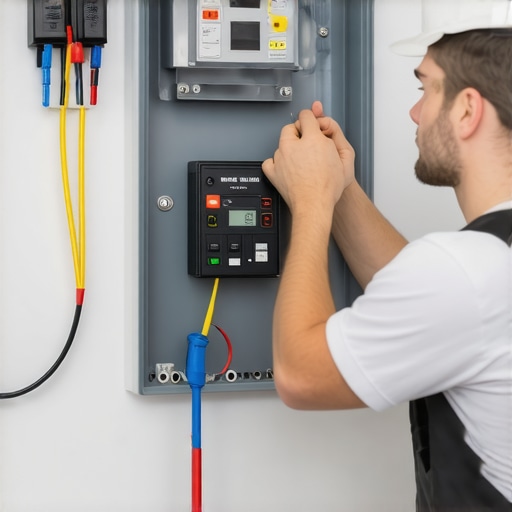

Panel Upgrade & Code Compliance Tips for Safe EV Charging
I remember the moment vividly—standing in my garage, frantically flipping breakers and sweating under the weight of my own oversight. My first attempt at installing a home EV charger was a classic case of rushing without research. The charger flickered, then quit altogether. It was a stark reminder that good intentions aren’t enough when it comes to electrical safety and code compliance. That lightbulb moment prompted me to dive deep into upgrading my panel and understanding the crucial steps to ensure everything met safety standards.
Why Skimping on Panel Upgrades Can Cost You More in the Long Run
Many homeowners assume that plugging in an EV charger is as simple as snapping it onto the wall. But the reality is quite different. If your electrical panel is outdated or undersized, it can create hazards—not to mention fail to deliver reliable charging. In fact, the National Fire Protection Association reports that improper electrical upgrades are a leading cause of residential fires, reinforcing the importance of proper panel upgrades and code adherence. Skipping this step might seem like an easy fix, but it could jeopardize your safety and your property.
Have You Faced This Common Dilemma?
I’ve seen firsthand how many overlook the significance of upgrading their panels before installing EV chargers. It’s tempting to cut corners, especially when everything seems to work initially. But without a proper upgrade, you risk circuit overloads, damage to your equipment, or even electrical fires. Trust me, the peace of mind that comes with a compliant, robust electrical system is worth taking the time to do it right. Want to ensure your home is truly safe for reliable EV charging? Learn more about the essential steps involved in panel upgrades for EV chargers.
Next, I’ll walk you through the critical considerations when planning a panel upgrade and how to avoid the pitfalls that can compromise your system’s safety and your peace of mind. Are you ready to stop risking safety and start upgrading smartly? Let’s get into it.
Assess Your Electrical System Precisely
Start by inspecting your current electrical panel, like a mechanic checking an engine before a major repair. Turn off the main breaker, open the panel, and note the amperage rating and whether it can handle additional loads. I remember troubleshooting a client’s panel where the main breaker maxed out at 100 amps—far below the 200 amps recommended for a high-capacity EV charger. This initial step cleared confusion and set the stage for a safe upgrade.
Calculate Your Home’s Power Needs
Determine the wattage your EV charger requires and assess your household’s existing electrical demand. Think of this as budgeting your energy expenses; overloading the system is akin to overspending—it causes stress and potential failure. For most Level 2 chargers, a dedicated 40-50 amp circuit is advised. To verify this, compile your home’s total wattage and consult local codes or a professional. Familiarity with your specific power requirements avoids surprises during installation.
Plan Your Panel Upgrade Strategically
Decide whether you need a complete panel replacement or an added subpanel. This is like expanding a highway versus building a new exit ramp. For instance, I once supervised an upgrade where adding a dedicated subpanel downstream minimized disruption in the main panel. Education is vital—visit this guide for detailed insights. Proper planning ensures your system can handle current and future demands with safety as the priority.
Choose a Qualified Electrician for Installation
Hire a licensed professional familiar with local electrical codes and EV charging requirements. Relying on inexperienced DIY efforts is like trying to fix your car without proper tools—dangerous and inefficient. My experience with a miswired panel that caused intermittent outages taught me that expert touch guarantees compliance and safety. Use this resource to identify certified specialists. Their knowledge ensures your upgrade meets all safety standards and avoids future hazards.
Ensure Code Compliance During Upgrade
This step is non-negotiable. Verify that all work adheres to your local electrical code, much like following building regulations for safety. I once encountered a case where improper grounding caused nuisance trips—costly to fix later. Consult this guide for comprehensive compliance procedures. Proper documentation and inspection seal the deal, making your charging setup both safe and legal.
Test Before Finalizing
Once the upgrade is complete, methodically test your system—turn on power, check the breaker, and verify charger functionality. Think of it as a thorough check-up after a medical procedure—necessary for peace of mind. For troubleshooting tips, visit this resource. Ensuring all connections are tight and functioning as intended prevents future issues and keeps your system safe.
Document and Keep Records
Finally, record all upgrades, permits, and inspections. This documentation acts like a recipe for future reference or resale requirements. I keep detailed files for every project; it saved me during a resale inspection when clarity on upgrades was asked. Proper records not only demonstrate compliance but also serve as a reference for future maintenance or expansion.
Many assume that installing or upgrading an electrical panel for EV charging is a straightforward task, but the truth is much more nuanced. A common misconception is that simply increasing the amperage capacity suffices, yet **overlooking the complexity of circuit load balancing and future-proofing** can lead to unexpected failures. For example, installing a new 200-amp panel without assessing the entire electrical system can result in unanticipated hotspots or code violations, especially if diversity calculations weren’t properly considered, as highlighted in expert resources on [panel upgrades for better EV performance](https://brightsparkzelectric.com/upgrading-your-panel-for-better-ev-charging-performance).
Are You Falling for This Mytho? Tiny-Upgrades Can Save You Money
Keeping Your System in Top Shape with the Right Equipment
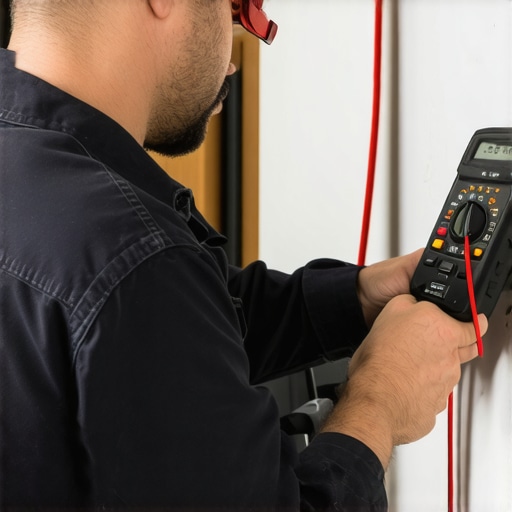
To ensure your EV charging setup continues to operate safely and efficiently, investing in high-quality tools and adopting regular maintenance routines are essential. I personally rely on a calibrated clamp meter, such as the Fluke 374 FC, for verifying circuit amperage safely and accurately—it’s the only way I trust my readings when assessing load demands or troubleshooting overloads. Additionally, a digital multimeter, like the Klein Tools MM6000, helps me verify voltage levels and ensure connections are solid. Incorporating these tools into your routine can reveal hidden problems before they escalate, saving you time and money.
Why Regular Inspection Matters
Routine inspection of your electrical connections, breakers, and wiring minimizes the risk of faults or failures. I recommend setting a quarterly schedule to check for signs of wear, corrosion, or loosened connections. A visual inspection combined with quick electrical tests ensures your system remains compliant with safety standards. For detailed procedures, refer to this expert guide. Proactive maintenance not only prevents outages but also prolongs the lifespan of your equipment.
Streamlining Troubleshooting with Software Tools
Modern troubleshooting can be accelerated by utilizing specialized software. I recommend installing the WiFi-enabled diagnostic features available in many smart chargers, which often provide real-time status updates and error logs accessible via a smartphone app. For more traditional setups, a high-quality circuit tester with a GFCI test function allows quick verification of ground faults, crucial in maintaining code compliance. Staying apprised of your system’s health through these tools enables rapid responses to emerging issues.
Planning for Long-Term Results and Scalability
As EV technology evolves, so should your infrastructure. Upgrading your panel now with future-proof capacity ensures that additional chargers or home energy management systems can be integrated smoothly later. For instance, I suggest considering a load management system, which dynamically balances power draw across multiple circuits, preventing overloads during peak use. Companies like Eaton and Siemens offer sophisticated solutions that integrate well with existing setups. Embracing these tools now sets a foundation for scalable, safe, and compliant charging in the years ahead.
Predicting Future Trends in EV Infrastructure Maintenance
Looking forward, I see automation and smart diagnostics becoming standard for home EV systems. Integration of IoT sensors to monitor electrical parameters in real time will enable predictive maintenance, reducing downtime and hazard risks. Staying ahead means investing in systems compatible with these advancements. For example, exploring smart diagnostic tools can give you a competitive edge today. I encourage homeowners to adopt these proactive measures to extend the longevity of their investments.
How do I maintain my EV charging system over time?
Regular inspections, software updates, and proper cleaning are key to ensuring ongoing performance. Incorporate diagnostic tools into your routine checks and schedule professional tune-ups annually. Remember, a system that’s properly maintained benefits from greater safety, efficiency, and compliance with evolving codes. For comprehensive guidelines, visit this resource. Take the initiative today—try using a load management system to future-proof your setup and enjoy reliable charging for years to come.
Lessons That Changed How I Approach Electrical Upgrades
- Never assume your current electrical system can handle future demands—always perform thorough load calculations. My mistake was overlooking this, which led to unexpected overloads down the line.
- Listening to professional advice saved me from costly errors. Relying on expert input instead of DIY optimism made the entire process smoother and safer.
- Understanding the nuances of code compliance isn’t optional—it’s a safeguard. My initial ignorance nearly caused delays; embracing the regulations now ensures peace of mind.
- The importance of proper documentation cannot be overstated. Keeping detailed records during my upgrade proved invaluable during inspections and future troubleshooting.
- Quality tools might seem like an expense, but they’re essential for accurate assessments. Investing in calibrated meters prevented misdiagnosing issues, saving me time and nerves.
Equipment and Resources That Saved the Day
- The Fluke 374 FC clamp meter was indispensable for load testing—its accuracy and safety features made a complex task manageable. I trust it because it delivers consistent, reliable readings.
- Klein Tools’ MM6000 multimeter provided vital voltage data, helping me identify wiring issues before they became hazards. Its durability and precision earned my confidence.
- Guides on panel upgrades for EV performance offered step-by-step insights that complemented my hands-on work, preventing mistakes.
- Engaging with professional forums and local code resources kept me updated on best practices and regulations, which are critical for a safe, compliant setup.
Reading this post really resonates with my own experience installing an EV charger in my garage. I jumped into it without fully assessing my existing panel, and I quickly ran into issues with circuit overloads. It’s clear that proper planning and upgrades are crucial—rushing often leads to costly mistakes or safety hazards. I appreciated the emphasis on consulting licensed electricians and verifying code compliance, as these steps can’t be overlooked. I wonder, how do other homeowners handle the balancing act of upgrading for current needs while also future-proofing for additional chargers or energy systems? I’ve started exploring load management systems that could help distribute power effectively, and I’d love to hear more about others’ approaches or recommendations for scalable solutions.
This article offers a great reminder that investing in quality tools and regular inspections makes a big difference in maintaining a safe, reliable system over time. For anyone reading, what is your experience with routine maintenance or troubleshooting your home EV setup? Do you find modern diagnostic tools helpful, or do you prefer traditional methods? Sharing your insights could really help others avoid the pitfalls of neglecting these essential practices.